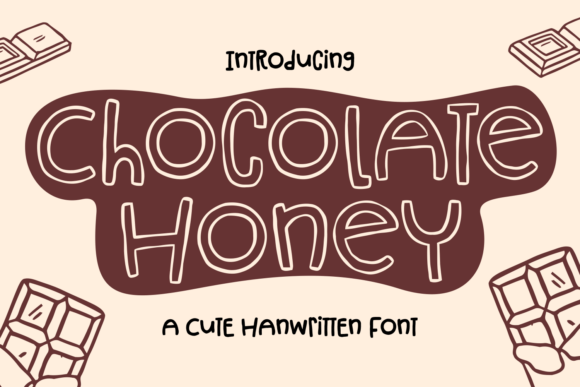
Chocolate Honey: A Handwritten Font for Warm Editorial Design
Chocolate Honey in Lifestyle Blog Redesigns
When I first encountered Chocolate Honey, it felt like discovering a handwritten note tucked into the corner of an old book—warm, inviting, and full of character. As a display font, Chocolate Honey brings the charm of naturally drawn handwriting to digital publishing, making it ideal for lifestyle blog redesigns where personality matters as much as content.
I tested Chocolate Honey on a recent lifestyle blog header, replacing a more modern sans serif with this handwritten font. The result was strikingly different. The letters had a gentle rhythm, almost like a whisper, which perfectly matched the blog’s tone of thoughtful living. It wasn’t just about aesthetics; it helped set the editorial mood and made the brand feel more personal and authentic.
For blog headers or feature titles, Chocolate Honey adds a layer of warmth that few other fonts can achieve. Its visual character feels genuine, as if each letter was crafted with care rather than generated by software. This makes it especially suitable for blogs that focus on wellness, mindfulness, or creative living.
Chocolate Honey for Recipe Ebooks and Cozy Content
In my latest project, I used Chocolate Honey to design a recipe ebook focused on comfort food. The font’s soft curves and natural flow complemented the cozy, home-cooked vibe of the content. I paired it with a clean sans serif for body text, ensuring readability while keeping the design cohesive.
Using Chocolate Honey for chapter openers and section headings gave the layout a sense of continuity. It didn’t overwhelm the reader, but it did create a warm welcome at the start of each new recipe. The font also worked well for pull quotes and decorative accents, adding a subtle touch of elegance without distracting from the main message.
One thing to consider is that Chocolate Honey isn’t ideal for long-form reading or dense paragraphs. It shines best when used sparingly, as a design element that supports the content rather than competing with it. For recipe ebooks, this means using it for titles, subtitles, and special features rather than for the entire body of text.
Chocolate Honey in Wedding Guides and Elegant Branding
Wedding guides are all about creating a sense of celebration and elegance, and Chocolate Honey fits seamlessly into that world. I recently designed a wedding guide for a boutique planner, and the font became a key part of the editorial identity.
The font’s handwritten feel added a personal touch to everything from the cover title to the event listings. It brought a sense of authenticity that resonated with the target audience—couples looking for a unique and heartfelt experience. Pairing Chocolate Honey with a refined serif font for body text ensured that the guide remained both beautiful and readable.
For branding purposes, Chocolate Honey works particularly well for logos, social media graphics, and email headers. Its gentle curves and warm appeal make it a great choice for businesses that want to convey approachability and creativity. However, it’s important to ensure that the font is properly licensed for commercial use, especially when designing for clients or selling digital products.
Chocolate Honey in Digital Magazines and Newsletter Headers
When working on a digital magazine layout, I wanted a font that could stand out without feeling too casual. Chocolate Honey proved to be the perfect fit for the cover title and featured article headings. Its display quality allowed it to grab attention while maintaining a sense of sophistication.
In newsletter headers, Chocolate Honey added a friendly and engaging tone. It worked well for headlines and call-out sections, helping to guide the reader through the content with ease. I found that using it in moderation helped maintain visual hierarchy and prevented the layout from feeling cluttered.
For mobile layouts, I made sure to test how Chocolate Honey rendered on smaller screens. While it looked great on desktop, I adjusted the size slightly for better legibility on mobile devices. This shows that while Chocolate Honey is a premium font, its effectiveness depends on thoughtful implementation across platforms.
Chocolate Honey for Coaching Workbooks and Printable Planners
Coaching workbooks and printable planners often require a balance between structure and inspiration, and Chocolate Honey helps achieve that balance beautifully. I used it for chapter titles and motivational quotes in a coaching workbook, giving the content a more personal and encouraging feel.
In printable planners, the font worked well for weekly headers and goal-setting prompts. It added a sense of warmth and motivation that aligned with the purpose of the product. Again, pairing it with a clean sans serif for body text kept the layout functional and easy to read.
When using Chocolate Honey in printables, it’s essential to check the font’s support for multilingual characters and file formats. Ensuring compatibility across platforms helps maintain consistency whether the content is viewed on screen or printed.