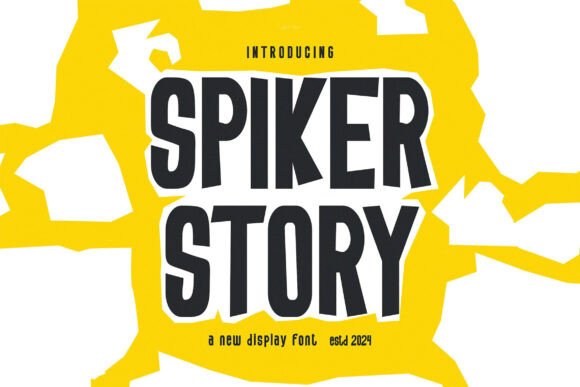
Spiker Story: A Warm and Clear Display Font for Modern Publishing
Choosing the right font for a project can feel like finding the perfect voice for your message. When I recently redesigned the header for a lifestyle blog, Spiker Story stood out as a natural fit. This casual and neat display font brings warmth and clarity to any layout, making it ideal for editorial design and branding.
Spiker Story for Blog Headers and Lifestyle Branding
Spiker Story is a display font that feels approachable yet refined. Its clean structure makes it especially well-suited for blog headers, where it needs to capture attention without overwhelming the reader. In my redesign, I used Spiker Story for the main title and found that it balanced elegance with readability, creating a welcoming tone for the blog’s audience.
The font’s subtle character gives it an editorial appeal that works well for lifestyle content. It doesn’t scream for attention but still holds a presence, which is exactly what you want in a header or feature section. Whether it's a personal blog or a professional publication, Spiker Story adds a touch of personality without distracting from the content itself.
Spiker Story in Recipe Ebooks and Digital Magazines
When working on a recipe ebook, I needed a font that could convey both creativity and clarity. Spiker Story proved to be a great choice for chapter titles and section headings. Its warm and friendly appearance made the content feel more inviting, while its clean lines ensured that the text remained easy to read even in smaller sizes.
In digital magazines, Spiker Story can be used for pull quotes, article titles, and decorative accents. It complements modern typography layouts and allows for visual hierarchy without being too bold or too soft. Pairing it with a readable serif font for body copy creates a balanced editorial look that supports both design and content.
Spiker Story for Newsletter Graphics and Coaching Workbooks
For a coaching workbook, I wanted a font that would help guide readers through the material with ease. Spiker Story worked beautifully for section headings and key points. Its approachable style made the content feel more accessible, which was essential for a workbook aimed at helping readers grow personally and professionally.
In newsletter graphics, Spiker Story shines as a headline font. It draws the eye naturally and maintains a consistent mood throughout the layout. The font’s versatility means it can be used across different sections of a newsletter, from the main title to call-to-action buttons, without losing its visual harmony.
Readability Considerations for Screen and Print
As a display font, Spiker Story is best used for headlines, titles, and short bursts of text rather than long-form reading. On screen, it performs well in mobile layouts and web designs, maintaining legibility even at smaller sizes. For print materials, it holds up nicely in PDF exports and physical publications, ensuring that the font remains clear and consistent across different mediums.
However, it’s important to note that Spiker Story may not be the best choice for dense paragraphs or small captions. Its expressive nature makes it less suitable for body copy, where a more neutral and readable font would serve better. Always consider the balance between style and function when using display fonts in editorial design.
Font Pairing and Commercial Use
When designing with Spiker Story, pairing it with a complementary font is key. For example, using a clean sans serif font for navigation or captions ensures that the layout remains cohesive. Similarly, combining Spiker Story with a traditional serif font for body text creates a polished and professional look that works well in both digital and print formats.
Before using Spiker Story in commercial projects, such as ebooks, templates, or paid newsletters, it’s important to check the licensing options. Ensuring that the font is properly licensed for the intended use will help avoid any legal issues and allow you to confidently incorporate it into your work.